

Bean to Cup and Semi-Automatic Coffee Machines
A bean-to-cup machine grinds the beans and brews the desired drink in one appliance. This method offers richer and more authentic flavor than pre-ground or pod-based coffee.
This Sage model has a hopper which can hold upto half one kilogram of coffee beans. It is fully programmeable. It also performs rinse cycles before and after the brewing process, preventing grounds from soaking through the milk spout and coffee pot.
Bean-to-Cup
Contrary to pod coffee machines that serve sealed and pre-packaged cups, bean to cup models handle the entire coffee making process from start to finish. They come with a built-in coffee grinder that grinds the beans before each use, making sure they're fresh and delicious. They then brew according to your exact specifications. With just a few button presses, you'll enjoy a cup of coffee that's just the way you like it!
Alongside the flexibility to make a variety of different drinks, bean to cup machines also let you choose your own specific coffee beans as well as the roast level. This allows you to produce truly unique drinks, and try out new flavor combinations that will delight your customers. You'll also save money in the long run because beans are cheaper than pre-packaged pods.
Another benefit of bean-to cup machines is that they are less soiled than traditional espresso machines. They don't require portafilters or the necessity of a manual pour, so you can reduce waste and mess and concentrate on other things. For bars and restaurants that have high staff turnover, this can be a huge time saver.
Bean-to-cup machines usually have an additional hopper that can be used to make milk. The milk will be heated and textured for the best consistency for each type of drink. This allows you to offer a wider range of drinks, and some models even have the option of making the frothy hot chocolate.
These automatic bean-to-cup machines that are hands-off typically have a menu screen that offers an assortment of coffee shop staples. The machine will take care of the rest. You only have to select the drink you want. These machines are great for businesses that want to make the process as simple and automated as possible.
Although they're less hands-on than traditional coffee machines however, they still require regular cleaning and descaling to avoid build-up. You'll typically have to use a brand-approved cleaning and descaling solution, or your machine could be invalidated by its warranty. It's usually a quick and simple procedure, and you'll be able to set reminders to help you save time. It's also worth looking into the terms of service and prices are for the specific model you're looking at as some may be more expensive than others. But, it's worth it for the peace of head that comes from knowing your machine is in top working condition at all times.
Pod
Pod coffee machines utilize pre-ground beans sealed in capsules. These pods are a simple and convenient alternative to grinding your own coffee and measuring the amount. They also eliminate any mess caused by dust, spills and staining.
They also offer a degree of consistency, which makes them popular with people who require a consistent cup every time. The lack of freshness could result in an espresso that is less flavorful when brewed by machines that grind beans freshly. The majority of pods are made up of non-recyclable material and the flavors are minimal in comparison to the flavors provided by the bean-to-cup machines.
There are many pod coffee makers available on the market. They include K-Cup, Nespresso and Dolce Gusto machines, as well as Iperespresso and Dualit NX-ESE machines. Most pod coffee makers work similarly, heating water to almost boiling, then forcing it at high pressure through the coffee in the capsule. Then the grounds are taken away, eliminating any necessity for messy espresso machine accessories such as portafilters, which must be free of coffee oils.
Although the price of a pod maker is usually more expensive than a bean-to-cup model, the ease of these machines can reduce maintenance and cleaning times. In addition to regular refilling of the water reservoir, most pod coffee makers need very minimal cleaning and descaling.
The size of the reservoir differs among models, but the majority are small enough to be able to sit on the counter top of your kitchen. They also include drip tray that is able to accommodate both short espresso cups and tall travel mugs. Some models also have a rotating base that can be adjusted to accommodate the shape of your kitchen.
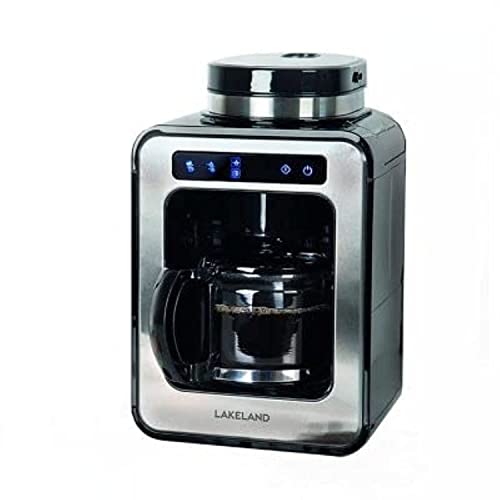
Some models are designed to be hidden away in a cupboard, with a built-in receptacle for empty pods, which can be removed without making a mess. Some models are permanent fixtures that require you to have an inventory of empty and full pods on hand.
The best pod machine will depend on your budget and preferences. A bean-to-cup maker will provide you with the most flavorful coffee, but if convenience is your priority, a pod machine can be a good choice. If you are unsure about which machine to buy, visit well-equipped showrooms to test them out before making the purchase. It's also worth researching which kinds of coffee you like and then testing out the various brands to find one you're comfortable with in your home. If you like a particular blend you can also buy single-estate coffees in pod form to use in conjunction with your machine.
Semi-Automatic
Semi-automatic machines find an equilibrium between ease of use and control. It requires some manual input, but it automatizes the most essential elements of the brewing procedure. It is still necessary grind the beans, and then attach the portafilter, however, the machine will handle the delivery of water through the grounds. This type of espresso machine is typically preferred by those who enjoy the art and experience of making espresso. You can also alter crucial brewing parameters such as the size of the grind, the temperature, and extraction time to make the perfect cup of espresso.
This type of coffee maker is more difficult to operate than fully-automatic or super-automatic models. In addition, you'll have to monitor the brew boiler and steam wand to ensure that it's consistent. As a result, it's not ideal for high-volume coffee shops, and isn't the best choice for those who require their coffee in the morning.
If you don't want to compromise on the quality of your coffee and are willing spend more money, think about investing in the bean-to-cup coffee maker. It takes all the decision-making out. The model uses whole beans to create an unbeatable cup that doesn't lose the flavor or aroma. It has a built in grinder, as well as several options that can be programmed to allow for maximum personalization.
Another alternative is a piston-style machine which is similar to traditional manual lever machines. Instead of pulling the lever down you press an button to activate the pump. This type of machine provides you with the ability to control the pressure used to extract and gives you complete control over your shot. This lets you experiment and develop your own style. You can also make use of a separate steam wand and milk pitcher to make cappuccinos or lattes. This machine will not generate enough steam to make hot chocolate, or any other non-espresso drink. bean to cup coffee maker isn't to say that piston machines aren't capable of making high-quality drinks, but it's crucial to be aware of what you're purchasing before you purchase one.